
Ocean Freight vs Air Freight: Which Shipping Method Saves Your Business More?
Choosing between ocean freight and air freight is a critical decision for Australian businesses importing goods in 2025. With rising logistics costs and increasing customer demands, selecting the right shipping method directly impacts your bottom line.
Each option—ocean freight or air freight—offers unique advantages in terms of cost, speed, and reliability. In this guide, AAW Global Logistics explains the key differences, cost comparisons, and decision-making factors to help your business maximise savings while meeting delivery deadlines.
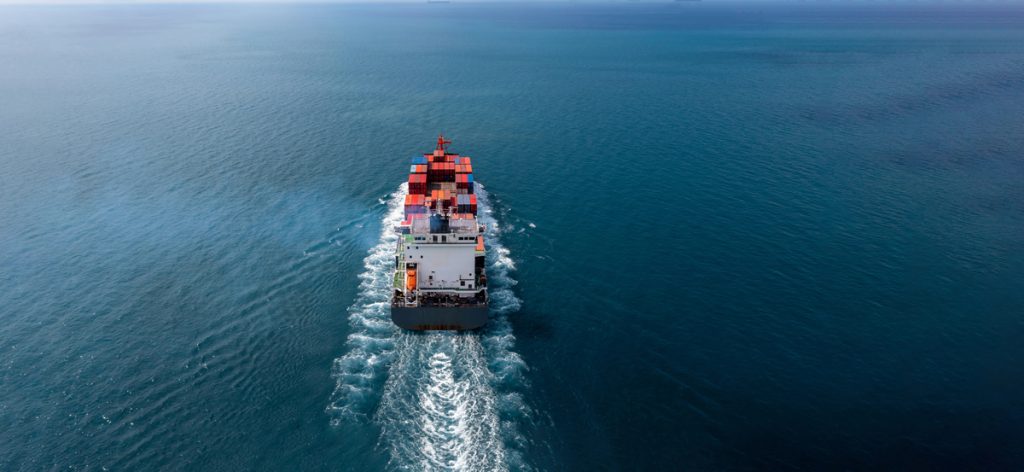
Ocean Freight vs Air Freight: A Cost Comparison
Why Ocean Freight is More Budget-Friendly
For large, non-urgent shipments, ocean freight remains the most economical option. Benefits include:
- Lower cost per kilogram, especially for bulk goods
- Capacity to ship large and heavy items at affordable rates
- Predictable shipping schedules for long-term planning
According to the International Chamber of Shipping, ocean freight costs are typically 4-6 times cheaper than air freight, making it ideal for businesses prioritising budget over speed.
When Air Freight Justifies the Higher Price
Air freight offers unmatched speed, but at a premium price. Advantages include:
- Fastest delivery option (3-7 days globally)
- Lower inventory holding costs due to quicker turnaround
- Higher security for high-value, perishable, or time-sensitive goods
While air freight costs more upfront, businesses importing small, high-margin, or time-critical items may achieve indirect savings by improving cash flow and meeting urgent demand.
How to Choose Between Ocean and Air Freight
Consider These Key Factors:
- Product Type: Fragile, high-value, or perishable goods benefit from air freight.
- Urgency: Non-urgent, bulk shipments are more cost-effective via ocean.
- Budget Constraints: Air freight is quicker but more expensive; ocean freight offers savings but longer transit times.
- Carbon Footprint: Ocean freight is more environmentally sustainable, aligning with green logistics goals in 2025.
Real-World Example
AAW Global Logistics helped an Australian retailer cut transport costs by 40% by shifting seasonal inventory to ocean freight while reserving air freight for emergency stock replenishments.
Conclusion
The choice between ocean freight and air freight depends on your business priorities. If reducing costs is your main goal, ocean freight offers the most savings. For speed and supply chain agility, air freight may offer better value despite higher rates.
Partnering with AAW Global Logistics ensures you get expert guidance on the most cost-effective and reliable shipping strategy tailored to your business needs in 2025.
Frequently Asked Questions About Ocean and Air Freight
Which is More Reliable in 2025?
Both modes have improved reliability with modern tracking systems. However, air freight remains less prone to delays caused by port congestion.
Is Air Freight Ever Cheaper?
For very lightweight shipments (under 100 kg), air freight can sometimes be cost-competitive, especially when considering lower warehousing costs.
Can I Combine Ocean and Air Freight?
Yes, multimodal shipping solutions combine both methods for optimal balance of speed and cost.